

Non-toxic tableware: a complete buyer's guide
Most Indian households are very careful about the ingredients that go into their food — organic where possible, fresh over packaged, homemade over processed. But very few apply the same scrutiny to the vessels that food is served and eaten from. The dinner plate, the snack bowl, the water glass, the cutlery — these items are in daily contact with everything your family eats and drinks, yet most people buy them based on price or appearance without ever asking what they are actually made from.
The reality is that not all tableware is as safe as it looks. Certain materials — particularly low-quality plastics, poorly glazed ceramics, and cheap metal alloys — can leach harmful substances into food and beverages over time, especially when exposed to heat, acidic foods, or regular wear. This guide covers everything you need to know to make informed, safe choices for every piece of tableware in your home — from dinner sets and bowls to drinkware and cutlery.
Why non-toxic tableware matters for Indian households
The Indian kitchen is one of the most demanding environments for tableware in the world. We cook with acidic ingredients like tamarind, tomatoes, and lemon juice. We serve hot food directly from the stove onto plates. We store leftovers in the same containers we cooked in. We use the same bowls for cold curd and hot dal. Each of these interactions — hot food on a plate, acidic food in a bowl, hot liquid in a glass — creates an opportunity for a poorly made piece of tableware to leach chemicals into what you are eating.
The effects of low-level chemical exposure from tableware are rarely immediate or dramatic — they accumulate slowly over years of daily use. For young children, whose bodies are more sensitive to chemical exposure, the risk is proportionally higher. Choosing non-toxic, food-safe tableware for your household is one of the most practical and lasting health decisions you can make for your family.
Materials to choose — and materials to avoid
Safe materials for tableware
Food-grade stainless steel (304 grade) is one of the safest and most durable tableware materials available. It is completely non-reactive, which means it does not leach any substances into food regardless of temperature or acidity. It does not absorb odours or flavours, it is virtually indestructible, and it is easy to clean thoroughly. For dinner plates, bowls, and cutlery in households with children, stainless steel is consistently the safest choice available.
Borosilicate glass is the gold standard for drinkware and serving vessels. It is non-porous, non-reactive, completely BPA-free, and resistant to thermal shock — meaning it will not crack when moving between hot and cold temperatures. Unlike standard glass, borosilicate does not require any chemical coatings or treatments that could degrade over time. For water glasses, juice glasses, and serving bowls, borosilicate glass is the safest and most practical choice for everyday Indian household use.
High-quality ceramic with a properly fired, lead-free glaze is also a safe option for tableware. The key distinction here is quality — well-made ceramic from a reputable manufacturer uses food-safe glazes that do not contain lead or cadmium, fired at high temperatures to create a stable, non-leaching surface. This is where brand and sourcing matter significantly, as low-quality or hand-painted ceramics may use glazes that are not food-safe.
Materials to avoid or approach with caution
Melamine is one of the most widely used tableware materials in Indian homes — particularly for children's plates and bowls — and one of the most misunderstood. Melamine is not safe for use with hot food or in a microwave. When exposed to heat, melamine can release formaldehyde and melamine compounds into food. It is suitable for cold, dry foods only, and should never be used to serve hot dal, curry, or any warm dish. Many Indian households use melamine for everyday dining without realising this risk.
Low-quality plastics — particularly those not marked as BPA-free or food-grade — should be avoided entirely for tableware. Plastic tableware can leach BPA, phthalates, and other endocrine-disrupting chemicals into food, particularly when warm food is served on them or when they are scratched and worn from regular use. If you currently use plastic plates or bowls in your household, replacing them with stainless steel or ceramic is one of the highest-impact safety upgrades you can make.
Cheaply made ceramics with bright hand-painted designs — particularly imported items of unknown origin — may use lead-based glazes that are not safe for food contact. This does not apply to all decorated ceramics, but it is a genuine risk with very low-cost, heavily decorated pieces. When buying ceramic tableware, choose products from manufacturers who clearly state their glazes are lead-free and food-safe.
A category-by-category guide to non-toxic tableware

Dinner plates and dinner sets
Your dinner plate is the piece of tableware that carries the most food contact — hot curries, acidic gravies, oily dishes — making material safety particularly important here. For everyday family use, a stainless steel dinner set or a high-quality ceramic dinner set with a certified lead-free glaze are the two best choices. Stainless steel is the more practical option for households with children. Ceramic is the more elegant option for households that prioritise aesthetics alongside safety. BlackCarrot's dinner sets are made from food-safe materials and tested for daily Indian kitchen use — designed to serve hot, acidic, and oily foods without any concern.
Bowls
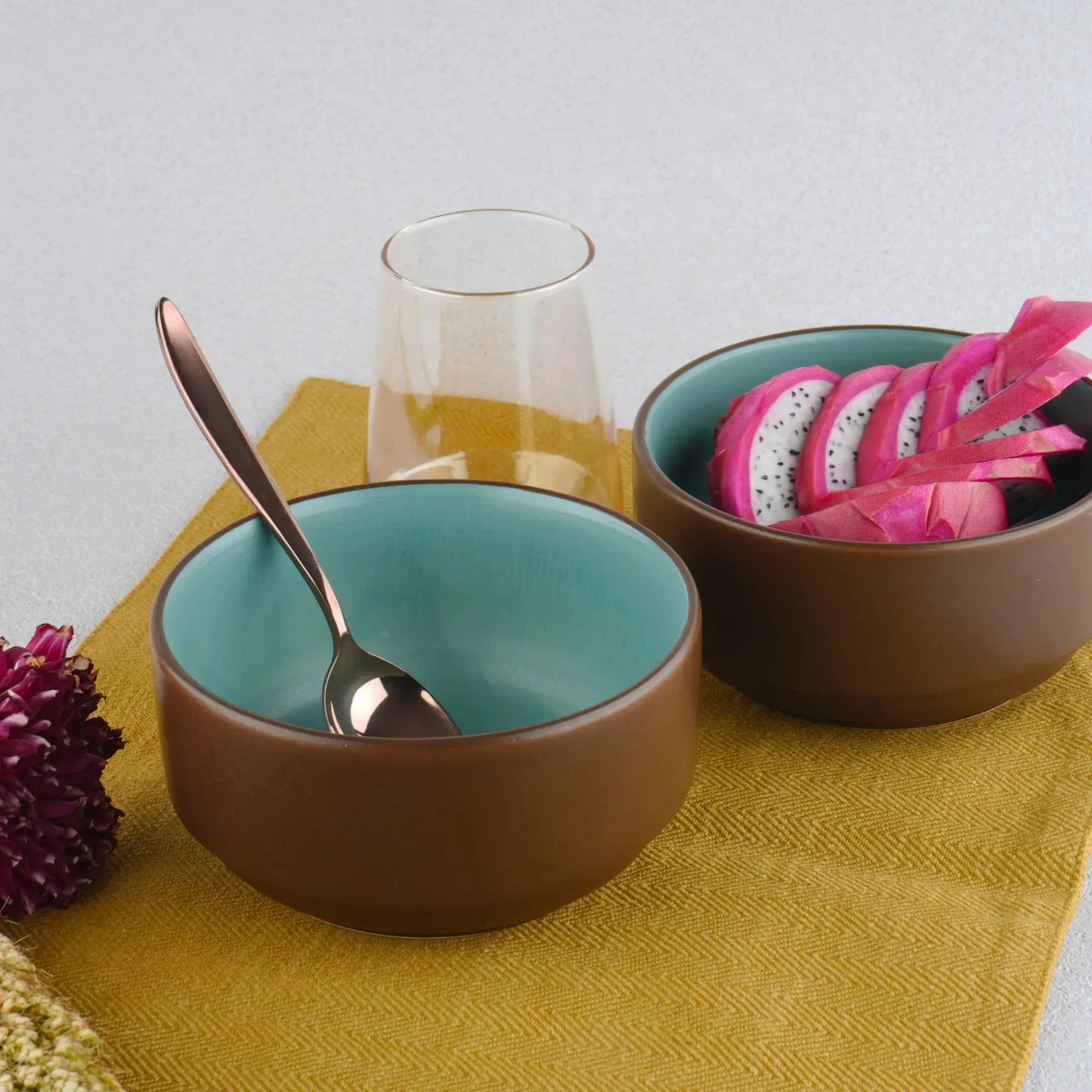
Bowls in the Indian kitchen serve an enormous range of purposes — from hot dal and sabzi to cold curd, fresh salads, and dry snacks. A non-toxic snack bowl or serving bowl needs to be safe across this full range of temperatures and food types. Stainless steel bowls are the safest and most versatile choice — they handle hot and cold equally well, resist staining, and are easy to clean. Ceramic bowls in a certified food-safe glaze are the best choice for serving at the table, where presentation matters alongside practicality.
Drinkware
For water glasses, juice glasses, and everyday drinking vessels, borosilicate glass is the safest and most recommended material. It contains no BPA, no coatings, no chemical treatments — just pure, food-safe glass that does not interact with whatever is poured into it. For households with young children where breakage is a concern, food-grade stainless steel water glasses offer the same safety with the added benefit of being unbreakable. Both are significantly safer than plastic cups or low-quality standard glass, which can harbour bacteria in scratches and degrade over time.
Cutlery
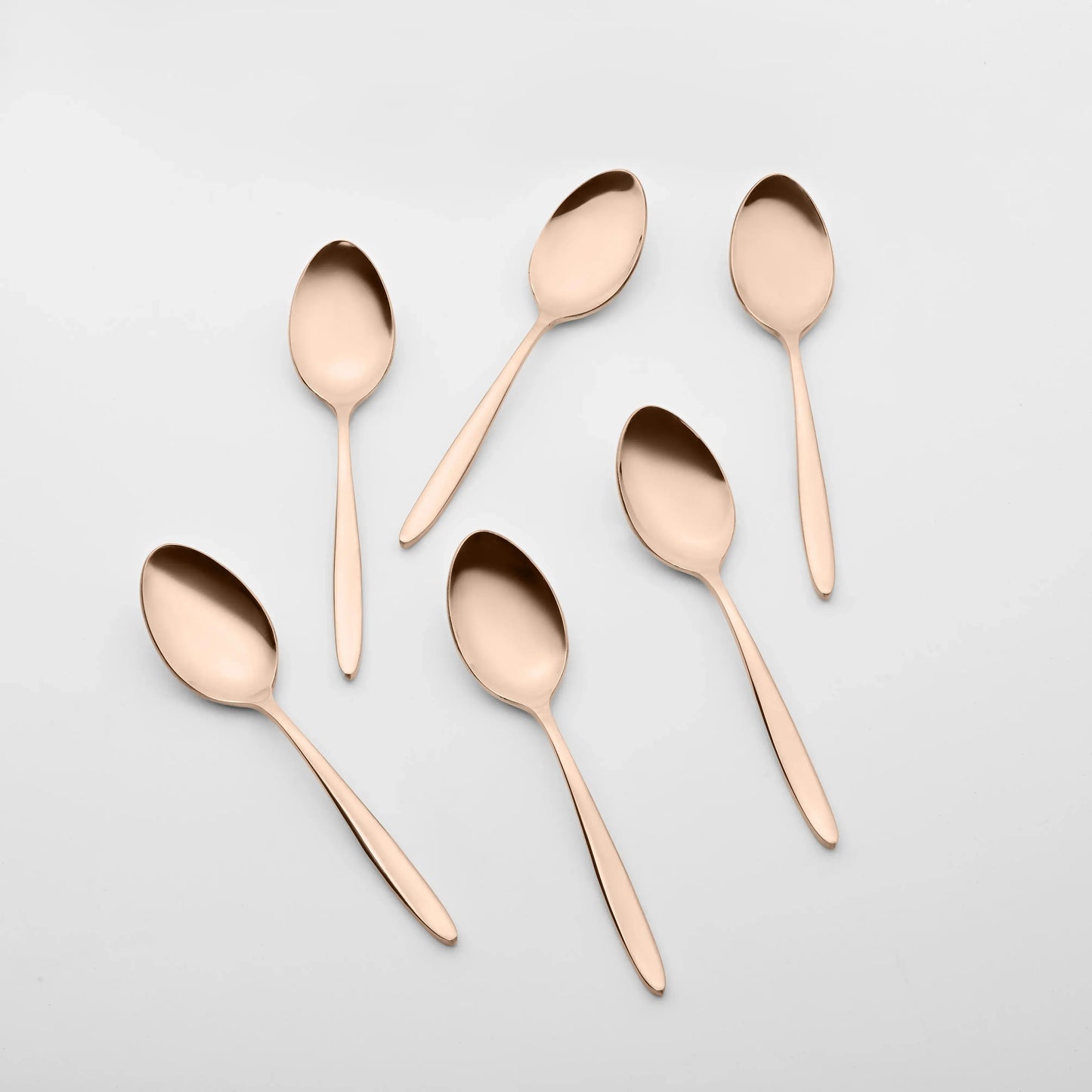
Cutlery is the tableware item most directly in contact with food as it enters the mouth, which makes material safety here particularly important. Food-grade stainless steel cutlery — forks, spoons, and knives made from 304 or 18/10 grade steel — is the safest, most durable, and most practical choice for everyday use. It does not rust, does not leach, and does not require any coating or treatment that could wear off over time. Avoid cutlery with plastic handles that are glued rather than moulded — the adhesive can degrade with repeated washing and introduce contaminants into food.
How to transition to non-toxic tableware without replacing everything at once
Replacing your entire tableware collection at once is neither practical nor necessary. The most effective approach is to prioritise by risk — start with the items that carry the greatest food contact risk and work outward from there. Begin with your everyday dinner plates and bowls, since these carry hot food and are used multiple times daily. Then move to your drinkware, particularly any plastic cups or low-quality glasses currently in use. Cutlery is next — a quality stainless steel cutlery set is one of the most affordable upgrades available. Serving pieces and occasional-use items can wait until last.
Replacing one category at a time also means each purchase feels considered rather than rushed, and you are more likely to choose well when you are not trying to replace everything simultaneously. BlackCarrot's range covers every tableware category — dinner sets, plates, bowls, drinkware, and cutlery which means you can build your collection gradually from one trusted source without compromising on consistency of quality or design.
Frequently asked questions
Is melamine tableware safe for Indian households?
Melamine is not safe for serving hot food. It can release harmful compounds when exposed to heat, making it unsuitable for the hot curries, dal, and sabzi that are staples of the Indian diet. It should only be used for cold, dry foods if used at all. Stainless steel or ceramic are safer alternatives for everyday Indian cooking.
What is the safest material for a dinner set in India?
Food-grade stainless steel is the safest material for everyday dinner sets in Indian households — it is non-reactive, handles hot and acidic foods without any leaching, and is virtually indestructible. High-quality ceramic with a certified lead-free glaze is the safest option if you prefer a more traditional tableware aesthetic.
Is borosilicate glass really safer than regular glass?
Yes. Borosilicate glass is non-porous, non-reactive, and free from any chemical coatings or treatments. Standard glass can scratch over time, harbouring bacteria in those scratches, and low-quality glass may contain impurities. Borosilicate is the recommended material for any drinkware used daily.
How do I know if my ceramic tableware is food-safe?
Look for ceramic tableware that explicitly states it uses lead-free, food-safe glazes from a manufacturer you can verify. Avoid very cheap, heavily decorated ceramics of unknown origin. When in doubt, choose a reputable brand that clearly communicates its manufacturing standards.
Shop non-toxic tableware →
The takeaway
Choosing non-toxic tableware is not a complicated or expensive decision — it is an informed one. Once you know which materials are safe and which carry risk, the path forward is clear. Replace your melamine with stainless steel or ceramic. Replace your plastic cups with borosilicate glass or food-grade steel. Choose cutlery made from 304 grade stainless steel. Do it one category at a time, starting with the pieces that carry the most daily food contact. Your family's health is built in small, everyday choices — and the tableware you eat from every day is one of the most impactful ones you can make.


